In a world where the climate is changing faster than a cat on a hot tin roof, it’s time to turn up the volume on sustainable conservation. The planet’s not just asking for help; it’s practically shouting. From melting ice caps to disappearing forests, our environment is sending out an SOS, and it’s up to everyone to answer the call.
Understanding Voices of Conservation
Understanding the voices of conservation involves recognizing the collective efforts to protect the environment and promote sustainable practices. These voices represent a diverse range of stakeholders, each contributing to sustainable conservation strategies.
Definition and Importance
Voices of conservation refer to the opinions, advocacy, and actions aimed at preserving natural ecosystems. This expression covers a wide array of environmental concerns, including biodiversity loss and climate change. These voices are crucial in fostering awareness and driving engagement. Research shows that active public participation leads to more effective conservation outcomes. Collaborative efforts among organizations, communities, and individuals amplify the message and urgency of sustainable practices. Prioritizing these voices ensures that critical issues receive necessary attention, influencing policies and resource allocation.
Key Players in Conservation Efforts
Key players in conservation efforts include governments, non-profits, local communities, and scientists. Each group plays a vital role in addressing environmental challenges. Governments create and enforce laws that protect natural resources. Non-profit organizations focus on awareness and provide resources for sustainable initiatives. Local communities often engage in grassroots movements, directly affecting their surroundings. Scientists contribute vital research, offering data and solutions critical for conservation strategies. Together, these diverse players enhance the effectiveness and reach of conservation efforts, creating a unified front against environmental degradation.
The Role of Inspiration in Conservation
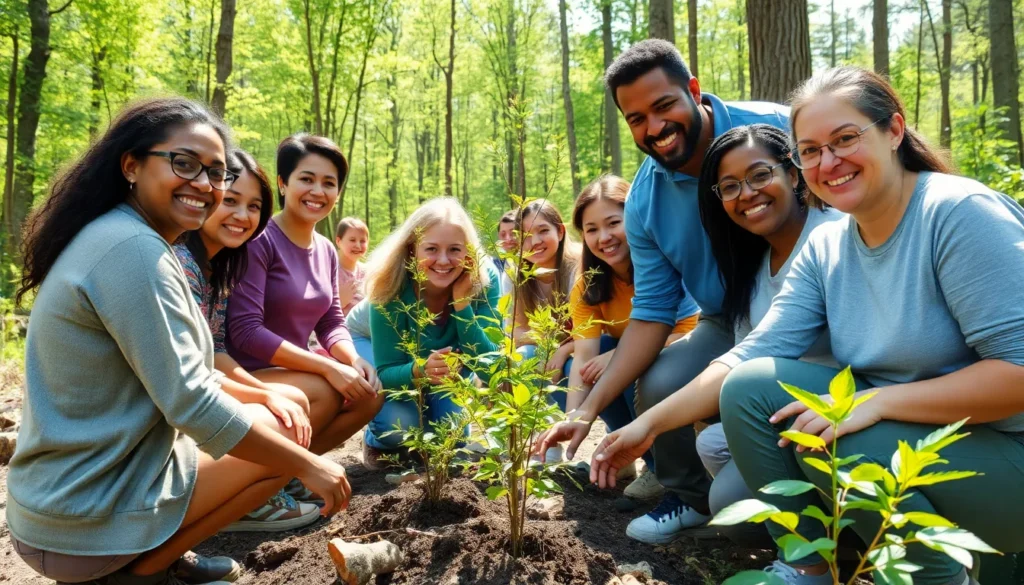
Inspiration plays a crucial role in driving collective action toward sustainable conservation. Motivating individuals can lead to significant environmental change.
Emotional Connections to Nature
Emotional connections to nature foster a sense of responsibility and care. People who experience the outdoors often develop deeper bonds with the environment. These connections can inspire action through personal experiences and memories, making conservation feel more relevant. Nature’s beauty evokes feelings that prompt individuals to protect it. Engaging with local ecosystems, such as forests, rivers, and wildlife, strengthens these emotional ties. Conservation efforts become a shared goal when individuals feel emotionally invested in their surroundings. This intrinsic motivation can lead to increased public support for sustainable initiatives.
Stories that Spark Change
Stories can inspire listeners and ignite action toward conservation. Powerful narratives illustrate the impact of environmental degradation and the urgency of sustainable practices. Sharing personal testimonies from conservationists, local communities, and scientists highlights successful initiatives and genuine experiences. Each story has the potential to connect diverse audiences with conservation efforts, inspiring them to join the cause. Individuals are more likely to engage when they see relatable challenges and triumphs. Documentaries, social media campaigns, and community events effectively disseminate these impactful stories. By prioritizing transformative narratives, the conservation movement can galvanize widespread public support for environmental preservation.
Strategies to Inspire Action
Inspiring action towards sustainable conservation requires active engagement and innovative approaches. Collective efforts and community involvement play crucial roles in achieving effective outcomes.
Engaging Community Participation
Active participation from local communities fosters a strong connection to environmental issues. Volunteer programs, local clean-up events, and conservation workshops unite individuals with a common cause. Inclusivity in decision-making enhances the effectiveness of conservation strategies. Those who feel their voices are heard are more likely to invest in protecting their surroundings. Educational outreach also plays an essential role in raising awareness and empowering residents to take initiative. Promotion of local wildlife and natural resources encourages stewardship, prompting community members to take ownership of their environment.
Utilizing Social Media Platforms
Social media platforms serve as vital tools for raising awareness about conservation initiatives. Sharing success stories and personal experiences can inspire action and create a sense of urgency. Engaging visuals and informative content can reach wider audiences, connecting diverse groups. By encouraging user-generated content, local voices amplify their message and inspire others. Campaigns utilizing hashtags drive collective action and invite public participation. Regular interaction with followers fosters an ongoing dialogue about conservation issues, motivating individuals to advocate for sustainable practices.
Success Stories in Conservation
Success stories in conservation showcase effective actions leading to sustainable outcomes. These examples inspire collective efforts across various scales.
Local Initiatives Making a Difference
Community-led initiatives often drive significant change. In California, urban areas initiated the “Green Streets” project, which integrates nature into city planning. Rain gardens and permeable pavements reduce flooding while enhancing local biodiversity. In Kenya, local Maasai groups protect wildlife through ecotourism strategies that benefit both conservation and community livelihoods. These grassroots movements underline the power of local voices advocating for sustainable practices that not only protect the environment but also provide tangible benefits to communities.
Global Campaigns and Their Impact
Global campaigns unite diverse stakeholders, amplifying their impact. The Earth Day Network mobilized over 1 billion people worldwide to advocate for environmental protection and climate action. Their initiatives include tree planting, recycling drives, and educational programs, achieving substantial increases in environmental awareness. WWF’s Earth Hour rallies millions to switch off lights for one hour, symbolizing the need for action against climate change. These campaigns create a sense of shared responsibility, fostering worldwide collaboration toward a sustainable future. Through their collective efforts, these organizations illustrate how global cooperation can make a significant difference in conservation.
The Future of Sustainable Conservation Efforts
Sustainable conservation efforts are evolving in response to pressing environmental challenges. Emerging trends highlight innovative solutions that promote ecological resilience.
Emerging Trends and Technologies
Sustainable practices increasingly focus on technology to enhance conservation effectiveness. Remote sensing and drones provide valuable data on biodiversity, enabling targeted interventions. Artificial intelligence assists in analyzing complex environmental data, offering critical insights for conservation strategies. Community-based monitoring empowers local voices to track and report changes in ecosystems. Furthermore, eco-friendly materials and renewable energy sources reduce the ecological footprint of conservation projects, aligning with sustainability goals. New conservation finance models, including crowdfunding and impact investing, also mobilize funds to support innovative solutions.
Policy Changes and Advocacy
Policy changes play a crucial role in shaping the future of conservation. Governments increasingly recognize the importance of biodiversity and climate action in national agendas. Advocacy groups push for inclusive policies that prioritize community engagement and equity in resource management. Legislative frameworks now emphasize sustainable land use and protection of natural habitats. Additionally, international agreements, such as the Paris Accord, drive collaboration between countries to tackle climate change collectively. These efforts result in greater funding for conservation initiatives and empower communities to advocate for local environmental priorities.
Taking action toward sustainable conservation is more crucial than ever. By amplifying the voices of diverse stakeholders and fostering emotional connections to nature, communities can unite in their efforts to protect the environment. Engaging storytelling and innovative strategies inspire individuals to participate actively in conservation initiatives.
As local and global campaigns gain momentum, the collective power of informed citizens can drive meaningful change. By prioritizing inclusivity and collaboration, sustainable practices can become a shared goal. Ultimately, the path to a healthier planet lies in the hands of those willing to advocate for and implement these vital changes.