In a world overflowing with stuff, the living room often becomes a chaotic jungle of mismatched furniture and forgotten knick-knacks. But what if less really is more? Embracing a minimalist living room can transform that cluttered space into a serene oasis, where relaxation reigns supreme and every item sparks joy—yes, even that questionable ceramic cat your aunt gave you.
Imagine a space where you can breathe, think, and maybe even find the remote without a scavenger hunt. Minimalism isn’t just about tossing out your belongings; it’s a lifestyle choice that promotes clarity and peace. By simplifying your living room, you’ll create a stylish retreat that reflects your personality without the overwhelming clutter. So, grab a trash bag and let’s dive into the art of minimalist living, where less truly means more—more tranquility, more style, and definitely fewer dust bunnies.
The Concept of Living Room Minimalist
Minimalism in the living room focuses on creating a serene and functional space. This approach emphasizes simplicity, purpose, and aesthetic appeal.
Principles of Minimalism
Simplicity stands at the core of minimalist design. Each item possesses a specific function or meaning. Functionality plays a crucial role, as pieces should serve everyday needs without unnecessary embellishments. Color palettes typically remain neutral, creating a calm atmosphere. Space is valued, allowing for open floor plans that enhance movement and airiness. Finally, personalization is key, offering a way to showcase individuality through selected meaningful objects.
Benefits of a Minimalist Living Room
Enhanced clarity emerges as clutter diminishes. A minimalist living room promotes relaxation by reducing distractions and visual chaos. Individuals may experience improved focus since essential items remain easily accessible. Simplifying the space often leads to more time spent enjoying the environment rather than maintaining it. Financial savings occur when unnecessary purchases are avoided, resulting in a more purposeful investment in quality furnishings. Overall, the living room transforms into a tranquil retreat, fostering well-being and comfort.
Key Elements of a Living Room Minimalist
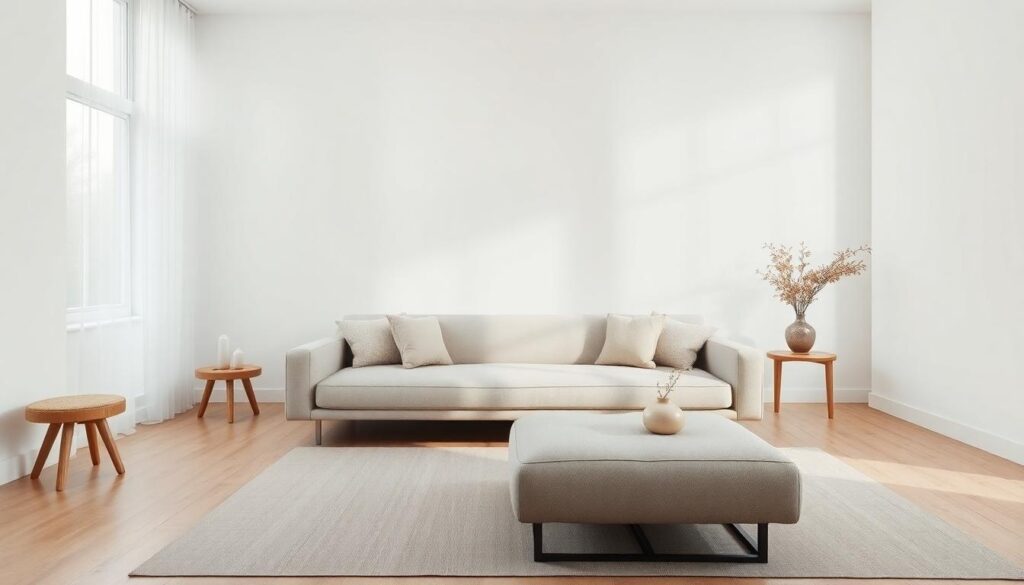
Living room minimalism incorporates specific elements that contribute to a tranquil and functional environment. These elements focus on simplicity, purpose, and aesthetic appeal.
Furniture Selection
Selecting furniture that serves dual purposes is essential. A sofa bed can provide seating and an extra sleeping area, for example. Opting for furniture with clean lines and a low profile creates an open feel. Fewer, larger pieces often enhance spaciousness compared to numerous small items. Choosing functional pieces helps maintain a clutter-free space. Additionally, multifunctional ottomans or coffee tables offer storage solutions. Prioritizing quality over quantity ensures durable, lasting investments that complement the minimalist design.
Color Palette
A neutral color palette establishes calmness in a minimalist living room. Shades like whites, grays, and beiges promote a sense of serenity. Incorporating subtle variations in these tones can add depth and interest. Accent colors can be introduced sparingly through decorative cushions or art. Avoiding bold or overwhelming patterns keeps visual noise to a minimum. Choosing materials with natural textures, like wood and linen, enhances the overall aesthetic. Ultimately, a cohesive color scheme fosters tranquility and a spacious atmosphere.
Tips for Achieving a Living Room Minimalist Aesthetic
Achieving a minimalist aesthetic requires intentional choices and thoughtful design. These tips can guide individuals toward a serene and purposeful living room.
Decluttering Strategies
Start by identifying unnecessary items. Keep only pieces that serve a clear function or hold sentimental value. Evaluate storage solutions such as baskets or shelves to organize essentials discreetly. Schedule regular decluttering sessions to maintain the space’s simplicity. Consider the “one in, one out” rule; for every new item brought in, remove an existing piece. This method promotes thoughtful consumption and aids in keeping the living room uncluttered.
Incorporating Nature
Integrate plants to enhance the minimalist aesthetic. Select low-maintenance options like succulents or snake plants for ease of care. Incorporate natural light by utilizing sheer curtains or strategically positioning mirrors; both techniques brighten the room and create a sense of openness. Use neutral, organic materials like wood or stone in decor to echo nature’s simplicity. Simple arrangements of flowers or greenery can infuse the space with life while maintaining calmness and serenity.
Common Mistakes to Avoid
Adopting a minimalist approach can enhance a living room, but certain pitfalls can detract from its benefits. Recognizing these mistakes helps maintain a serene environment.
Overdecorating
Many individuals mistakenly overcrowd their living rooms with decorative items. Cluttering surfaces with unnecessary knick-knacks detracts from minimalism’s core principle of simplicity. Selecting a few carefully chosen pieces can establish a focal point and promote a sense of calm. Less is often more, as choosing to showcase one or two meaningful items can create a more impactful visual statement. Emphasizing open space rather than excessive decorations fosters an airy atmosphere and enhances overall relaxation.
Neglecting Functionality
Prioritizing aesthetics over functionality leads to another common mistake. Furnishing a minimalist living room with stylish but impractical furniture can create frustration. Each piece should serve a specific purpose while complementing the overall design. Incorporating multifunctional furniture, such as storage ottomans or foldable tables, maximizes both space and usability. It’s essential to evaluate how each item aligns with daily activities, ensuring that the environment remains comfortable and efficient. By balancing beauty and utility, the living room can truly embody minimalist principles.
Adopting a minimalist approach to living room design brings numerous benefits that extend beyond aesthetics. It fosters a serene environment that encourages relaxation and clarity. By focusing on functionality and meaningful decor, individuals can create a space that reflects their personality without the burden of excess.
Embracing simplicity through thoughtful furniture choices and a neutral color palette enhances the overall atmosphere. Regular decluttering and mindful consumption further support a tranquil living space. Ultimately, living room minimalism transforms not just the physical space but also the mindset, leading to a more peaceful and fulfilling lifestyle.