In 1979, the silver screen was graced by a cinematic gem that took the world by storm, leaving audiences both thrilled and bewildered. Picture this: a time when disco ruled the dance floors and bell-bottoms were a fashion statement. Amidst this vibrant backdrop, one movie rose to the top, capturing hearts and box office dollars alike.
Overview Of The Number One Movie In 1979
“Star Wars,” released in 1977, remained the number one movie in 1979. This groundbreaking film transformed the science fiction genre, becoming a pop culture phenomenon. Directed by George Lucas, it introduced audiences to iconic characters like Luke Skywalker and Princess Leia. The film’s innovative special effects captivated viewers, setting new standards for cinematic technology.
By 1979, “Star Wars” grossed over $775 million worldwide. Its success inspired a franchise that includes sequels, prequels, and spin-off series. Merchandise sales reached astronomical levels, further embedding the Star Wars brand into everyday culture. The clever marketing strategy involved licensing various products, which appealed to fans of all ages.
Furthermore, the film’s soundtrack, composed by John Williams, gained critical acclaim, enhancing the viewing experience. The stirring score contributed to the film’s emotional depth and long-lasting popularity. “Star Wars” shaped the landscape of the film industry, influencing filmmakers and studios for decades.
Cinemas experienced unprecedented attendance, with audiences returning for multiple viewings. Showtimes extended to accommodate demand, illustrating its widespread appeal. The film established the concept of the blockbuster, paving the way for future high-grossing films.
Cultural impact resonates deeply with fans, leading to conventions, fan clubs, and a dedicated fanbase. Today, it stands as a beloved classic. Legacy continues to thrive through new content and renewed interest in the franchise.
Cultural Impact of the Film
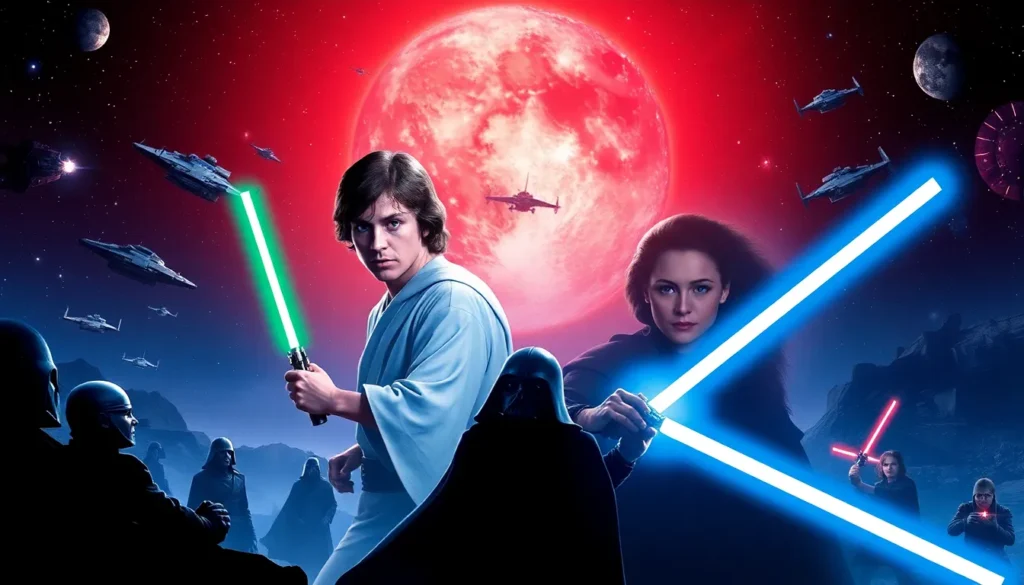
“Star Wars” made a lasting mark on cinema and popular culture, influencing various aspects of society. Its exceptional storytelling and groundbreaking effects changed how viewers engaged with science fiction.
Critical Reception
Critics universally praised “Star Wars,” applauding its innovative approach to filmmaking. Many noted its compelling characters and engaging plot as key elements contributing to its success. The film received ten Academy Award nominations and won six, underscoring its artistic merit. Further, critics highlighted John Williams’ iconic score as a major strength. Overall, “Star Wars” garnered recognition for revitalizing interest in the science fiction genre and set a benchmark for future films.
Audience Responses
Audiences celebrated “Star Wars” as an extraordinary cinematic experience, embracing its imaginative universe. Fans connected deeply with characters like Luke Skywalker and Princess Leia, resulting in a passionate following. Box office records shattered as it grossed over $775 million, reflecting its widespread appeal. Furthermore, fan conventions and merchandise surged, solidifying “Star Wars” in popular culture. Collectively, viewers contributed to its status as a defining film of the late 20th century.
Major Themes and Messages
Themes in “Star Wars” resonate deeply with audiences, emphasizing the classic struggle between good and evil. The film explores heroism, friendship, and redemption throughout its narrative. These underlying messages connect characters and plot elements, creating an engaging experience.
Character Analysis
Luke Skywalker embodies the archetypal hero’s journey, transforming from a naive farm boy into a courageous Jedi Knight. Princess Leia showcases resilience and leadership, breaking stereotypes with her determination and bravery. Darth Vader represents the complexities of redemption, illustrating how even those who stray can seek to reclaim their honor. Han Solo’s charm and wit add depth, providing comic relief while also demonstrating loyalty. Each character, unique in their traits, reinforces the film’s themes of hope and perseverance.
Plot Highlights
The narrative of “Star Wars” captivates with its dynamic storytelling. The film begins with Princess Leia’s capture, setting off a chain of events that introduces key characters. Luke discovers his fate through mentorship from Obi-Wan Kenobi, leading to epic confrontations with the Empire. Key battles unfold, showcasing innovative special effects that revolutionize action sequences. The climax reveals deep ties between characters and the larger conflict, culminating in a dramatic confrontation with Darth Vader. Each plot point strengthens the film’s central themes and engages viewers fully.
Behind the Scenes
“Star Wars” emerged as a groundbreaking film, showing a unique collaboration among talented individuals who shaped its creation.
Director and Writers
George Lucas directed “Star Wars,” crafting an iconic narrative that embodied the essence of science fiction. He co-wrote the screenplay with Gloria Katz and Willard Huyck, providing a blend of adventure and complex characters. Their collective vision transformed cinematic storytelling. The film’s rich dialogue and compelling structure owe much to their innovative approach, resonating with audiences worldwide. Lucas’s passion for mythology and classic hero’s journey infused the script with depth, appealing to both children and adults. Their focus on memorable characters contributed to the film’s enduring legacy.
Production Challenges
Production of “Star Wars” faced numerous challenges that tested the team’s resolve. Budget constraints initially threatened the film’s ambitious scope with the production costing an estimated $11 million. Lucas encountered difficulties with special effects, necessitating the formation of Industrial Light & Magic for cutting-edge visuals. Filming on location in Tunisia presented environmental obstacles as extreme temperatures hindered shooting. Additionally, tight schedules demanded quick thinking and creative problem-solving from the entire crew. Despite these hurdles, determination and innovation led to groundbreaking achievements that redefined the industry.
Legacy of the Film
“Star Wars” became a cornerstone of cinematic history, influencing countless films and series for decades. Its innovative storytelling and groundbreaking techniques set a new standard that filmmakers continue to emulate.
Influence on Future Cinema
The impact of “Star Wars” on future cinema cannot be overstated. It revolutionized visual effects, leading to advancements in CGI and practical effects used in modern filmmaking. Many filmmakers cite “Star Wars” as an inspiration, encouraging experimentation in genre boundaries. Franchises like the Marvel Cinematic Universe and even animated series reference its narrative structure. Historic advances in sound design and scoring also emerged, inspiring composers to push musical boundaries.
Awards and Recognitions
“Star Wars” earned significant accolades that reflect its artistic and technical achievements. The film received ten Academy Award nominations, winning six, showcasing its impact on the industry. Recognitions included awards for Best Original Score and Best Visual Effects, both attributed to John Williams and the revolutionary work by the production team. Critics consistently acknowledged the film’s storytelling and character development, leading to numerous other awards in various categories. This combination solidified its status as a cinematic masterpiece, making it a benchmark for future releases.
The impact of “Star Wars” in 1979 and beyond is undeniable. It not only dominated the box office but also reshaped the landscape of modern cinema. The film’s innovative storytelling and groundbreaking effects continue to inspire new generations of filmmakers and audiences alike.
Its themes of heroism and the battle between good and evil resonate universally, ensuring its relevance in popular culture. As the franchise expands, the legacy of “Star Wars” remains a testament to the power of imagination and creativity in film. The cultural phenomenon it sparked is a lasting reminder of cinema’s ability to unite and inspire.