In a world overflowing with toys, gadgets, and endless schedules, minimalist parenting offers a refreshing approach to raising children. This philosophy encourages families to focus on what truly matters, stripping away the clutter and distractions that can overwhelm both parents and kids. By embracing simplicity, parents can foster deeper connections and create a more intentional family life.
Minimalist parenting isn’t just about reducing physical possessions; it’s about prioritizing quality experiences over quantity. It empowers parents to make conscious choices that align with their values, ultimately leading to a more fulfilling and less stressful parenting journey. As families navigate the complexities of modern life, minimalist parenting provides a pathway to joy, balance, and meaningful moments.
What Is Minimalist Parenting?
Minimalist parenting emphasizes intentional choices in child-rearing, aiming to simplify family life by prioritizing essential values over unnecessary distractions. This approach advocates for reducing material possessions and focusing on quality interactions, experiences, and relationships. Minimalist parents seek to create a nurturing environment that fosters emotional well-being, creativity, and resilience.
Key principles of minimalist parenting include:
- Decluttering: Eliminating excess toys, clothing, and gadgets fosters a peaceful space that encourages creativity and reduces stress.
- Quality Time: Prioritizing meaningful experiences, such as family outings or game nights, enhances relationships and creates lasting memories.
- Intentional Living: Making conscious choices about activities, schedules, and purchases reduces overwhelm and aligns family life with personal values.
- Simplicity: Encouraging children to embrace simplicity cultivates gratitude and mindfulness, focusing on what’s truly valuable.
- Mindful Consumption: Teaching kids about the impact of consumerism helps develop responsible habits and an appreciation for what they have.
By adopting these principles, minimalist parenting aims to create a balanced, joyful family life centered around what truly matters.
Benefits of Minimalist Parenting

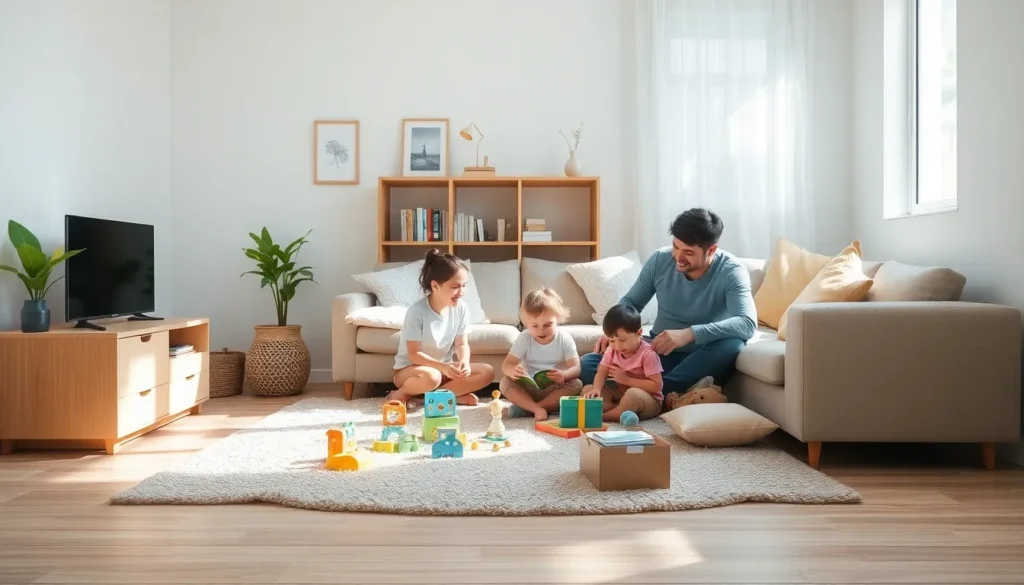
Minimalist parenting offers numerous advantages that contribute to a more joyful family life. This approach enhances the quality of parenting by focusing on simplicity, reducing stress, and fostering meaningful connections.
Simplicity in Daily Life
Simplicity in daily life encourages families to streamline routines and reduce decision fatigue. By decluttering homes and minimizing possessions, families create environments that nurture focus and tranquility. Simplified spaces promote creativity and imagination in children, allowing more freedom for play. Intentional living enables parents to identify their core values, ensuring that daily activities align with their priorities. Families often find joy in simple pleasures, such as family dinners or outdoor excursions, enhancing their overall quality of life.
Reduced Stress and Anxiety
Reduced stress and anxiety characterize the minimalist parenting approach. By eliminating excess and unnecessary commitments, parents experience a greater sense of control. Minimalist parenting helps parents avoid the pressure of consumerism, allowing them to focus on what truly matters. With fewer distractions, families cultivate deeper connections and emotional stability. This lifestyle leads to calmer household dynamics and fosters a sense of security for children. Additionally, teaching children about mindful consumption will instill responsibility and a balanced perspective on material goods, further alleviating parental concerns.
Key Principles of Minimalist Parenting
Minimalist parenting emphasizes intentional choices and nurturing relationships. This approach encourages families to prioritize quality over quantity in all aspects of parenting.
Intentionality
Intentionality plays a crucial role in minimalist parenting. Parents make conscious decisions about time, resources, and commitments. This means choosing activities and possessions that align with family values. For instance, instead of filling schedules with numerous extracurriculars, families opt for meaningful engagements such as family game nights or nature walks. Practicing intentional living helps parents and children focus on what enriches their lives, fostering a sense of purpose.
Focus on Relationships
Focusing on relationships strengthens family bonds. Minimalist parenting encourages spending quality time together without distractions. Dedicating time to connect fosters deeper emotional ties and understanding. Families may prioritize shared meals, regular check-ins, or outings that create lasting memories. This focus helps in nurturing empathy and respect among family members, teaching children the importance of meaningful connections over material possessions. As parents model these behaviors, children learn to value relationships, promoting a harmonious family atmosphere.
Practical Tips for Minimalist Parenting
Implementing minimalist parenting involves practical strategies that promote simplicity and intentionality in family life. Here are several actionable tips to guide parents on this journey.
Decluttering Your Home
- Assess Spaces: Evaluate each room and identify items that serve little purpose.
- Tackle One Area: Focus on one area or room at a time to avoid overwhelm and maintain momentum.
- Utilize the Four-Box Method: Designate four boxes for items to keep, donate, discard, or relocate.
- Limit Toys: Keep only a few well-loved toys to encourage creativity through imaginative play.
- Regular Purging: Schedule seasonal declutter sessions to maintain a serene and organized environment.
Simplifying Schedules
- Prioritize Activities: Identify essential commitments and prioritize based on family values.
- Limit Extracurriculars: Choose one or two activities per child rather than overwhelming schedules with multiple commitments.
- Establish Routines: Create consistent daily routines to streamline tasks and family interactions.
- Buffer Time: Include buffer time between commitments to reduce stress and allow for flexibility.
- Unplug: Designate tech-free family time to promote meaningful connections without distractions.
Mindful Consumption
- Buy with Intent: Make intentional purchases that align with family values and needs, rather than accumulating unnecessary items.
- Involve Children: Teach children about responsible consumption by involving them in discussions about needs versus wants.
- Research Before Purchasing: Investigate products to ensure quality and durability, promoting long-term use over short-term novelty.
- Adopt a One-In, One-Out Rule: For every new item brought into the home, one item should leave, maintaining balance and reducing clutter.
- Embrace Experiences: Invest in experiences rather than material goods, focusing on quality family time that creates lasting memories.