
In today’s digital playground, viral social media challenges are the new Olympic events. From ice bucket challenges to dance-offs, these quirky trends sweep across platforms faster than a cat video can go viral. They not only entertain but also create a sense of community, as millions join in to showcase their creativity and humor.
Overview of Viral Social Media Challenges
Viral social media challenges represent a unique aspect of digital culture. These challenges serve as modern-day rituals, engaging users across platforms to share creativity and humor. Popular examples include the ice bucket challenge, which raised awareness for ALS, and various dance trends that swept through TikTok.
Participation often leads to a sense of community among users. Friends, families, and strangers unite to create their versions of challenges, fostering connections. The ability to encourage involvement is a key feature, allowing anyone with internet access to join in.
Many challenges gain traction through relatable or humorous content. A catchy hashtag plays a significant role in helping challenges become trends. Strong emotional responses, whether laughter or empathy, drive viewers to participate rather than just observe.
Observation of trends shows how quickly a challenge can gain popularity. For instance, the “InMyFeelingsChallenge” went viral overnight, demonstrating social media’s power in amplifying content. Data shows that challenges can achieve millions of views in less than a week, showcasing their rapid dissemination.
Cultural significance cannot be overlooked. Many viral challenges reflect societal issues, either raising awareness or encouraging acts of kindness. Creators often use challenges to promote messages, blending entertainment with advocacy.
Adoption of challenges varies across demographics, with younger users often leading the way. As a result, brands and organizations leverage this trend for marketing, devising campaigns to tap into the viral nature of social media challenges.
Popular Types of Viral Social Media Challenges
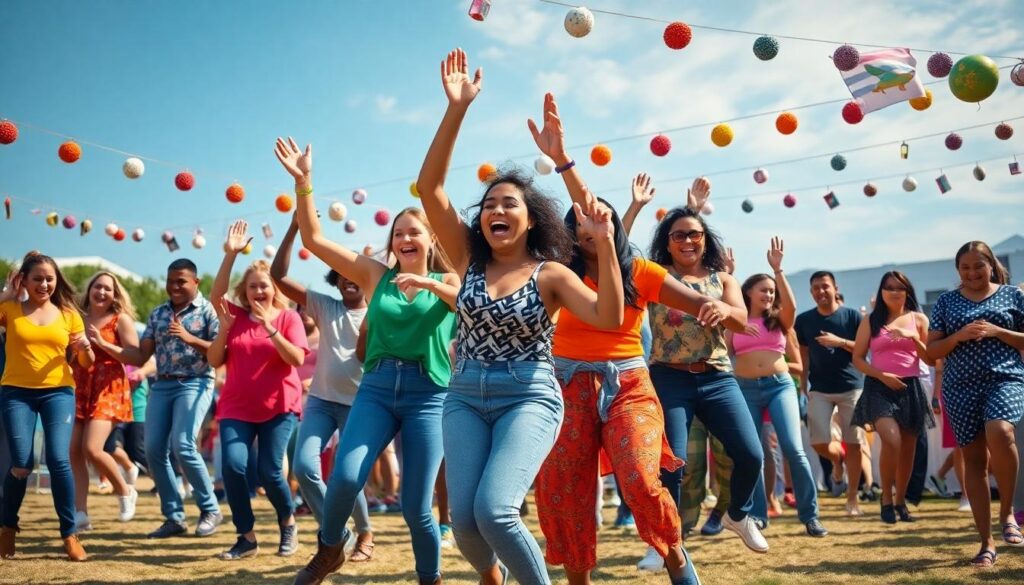
Viral social media challenges come in various exciting forms, each captivating audiences in their unique ways.
Dance Challenges
Dance challenges engage users through choreographed movements set to popular songs. Participants often showcase their skills and creativity by filming themselves performing specific routines, inviting others to join in. Examples like the “Renegade” and “Savage” challenges have led to explosive trends on platforms like TikTok. They encourage creativity and community interaction, as users respond to one another with their own interpretations. Dance challenges often go viral due to catchy music and easily replicable steps, allowing anyone to participate. The visuals and rhythm draw audiences in, contributing to a dynamic social media experience.
Fitness Challenges
Fitness challenges inspire individuals to commit to physical activity while fostering a sense of accomplishment. Challenges such as the “30-Day Squat Challenge” encourage participants to improve their strength or endurance over a specific time frame. Many fitness influencers share their own progress, motivating their followers to engage. Accountability plays a crucial role here, as participants typically share their results online using specific hashtags. By creating a supportive virtual environment, fitness challenges often lead to healthier lifestyle choices and increased engagement among users. Platforms like Instagram and TikTok serve as popular stages for these empowering fitness journeys.
Lip Sync and Music Challenges
Lip sync and music challenges invite users to express their love for music through fun performances. Participants choose favorite songs and create entertaining videos, often incorporating props and costumes for added flair. The “Lip Sync Battle” trend showcases creativity as users mime lyrics and exaggerate performances. Such challenges often go viral due to their humorous and relatable nature, allowing people to connect through shared musical preferences. The ease of participation encourages everyone to join, leading to diverse and entertaining content. These challenges contribute to a vibrant digital community, inspiring laughter and camaraderie among users.
The Impact of Viral Social Media Challenges
Viral social media challenges significantly shape cultural dynamics and community interactions.
Cultural Influence
Cultural trends frequently emerge from these challenges, resonating across various demographics. The ice bucket challenge raised awareness for ALS globally, illustrating how a simple act can drive important conversations. Similarly, many dance challenges incorporate popular music, reflecting current musical tastes and trends. Through sharing, users contribute to a collective cultural experience, celebrating creativity and humor. As participants create unique interpretations, they influence and reshape existing cultural narratives. The relatability of content boosts its appeal, fostering widespread participation that extends beyond social media into everyday culture.
Psychological Effects
Engaging in viral challenges can yield various psychological benefits. Many participants experience an immediate sense of gratification through likes and shares, enhancing self-esteem. These challenges often create a platform for self-expression, allowing users to showcase talents or creativity. Additionally, moments of humor and fun contribute positively to mental well-being. Involvement in challenges may also alleviate feelings of isolation and anxiety, especially during challenging times. By participating, individuals connect to a larger movement, reinforcing a sense of belonging and shared experience.
Community Building
Building community is a central aspect of viral social media challenges. Participants frequently share their experiences with friends and family, enhancing social bonds. Challenges often prompt teamwork, as people collaborate to create videos or complete tasks together. Common interests unite participants, forming connections that transcend geographic boundaries. Supportive communities emerge around these challenges, with members encouraging each other and celebrating progress. This collaborative spirit fosters inclusivity, enriching social interactions both online and offline. As users engage, they contribute to a shared narrative that reinforces community ties.
Risks and Controversies
Viral social media challenges present various risks and controversies that participants and onlookers should consider. Participants may encounter numerous safety concerns that arise during many challenges. For instance, dangerous acts, like jumping from heights or engaging in reckless behavior, can lead to serious injuries or even fatalities. Many challenges lack proper guidance or supervision, increasing risks. Individuals should evaluate their physical capabilities and seek safer alternatives before engaging in these activities.
Misinterpretations of challenges often lead to negative consequences. Some users might misinterpret a challenge’s intent or execution, resulting in controversial or offensive content. Furthermore, the viral nature of these challenges can inadvertently fuel cyberbullying. Participants might face harassment or ridicule online, damaging their mental well-being. Social media users should be mindful of how they engage with and share challenge-related content, as online interactions can have significant real-life repercussions.
Viral social media challenges have transformed the way people interact online. They serve as a platform for creativity and community, allowing individuals to connect through shared experiences. While these challenges can foster a sense of belonging and raise awareness for important causes, they also come with inherent risks that participants must navigate.
As the digital landscape continues to evolve, it’s crucial for users to approach these challenges thoughtfully. Balancing fun and safety ensures that participation remains a positive experience. By understanding the implications of engaging in viral challenges, individuals can enjoy the benefits while minimizing potential downsides, making the most of this dynamic aspect of social media culture.