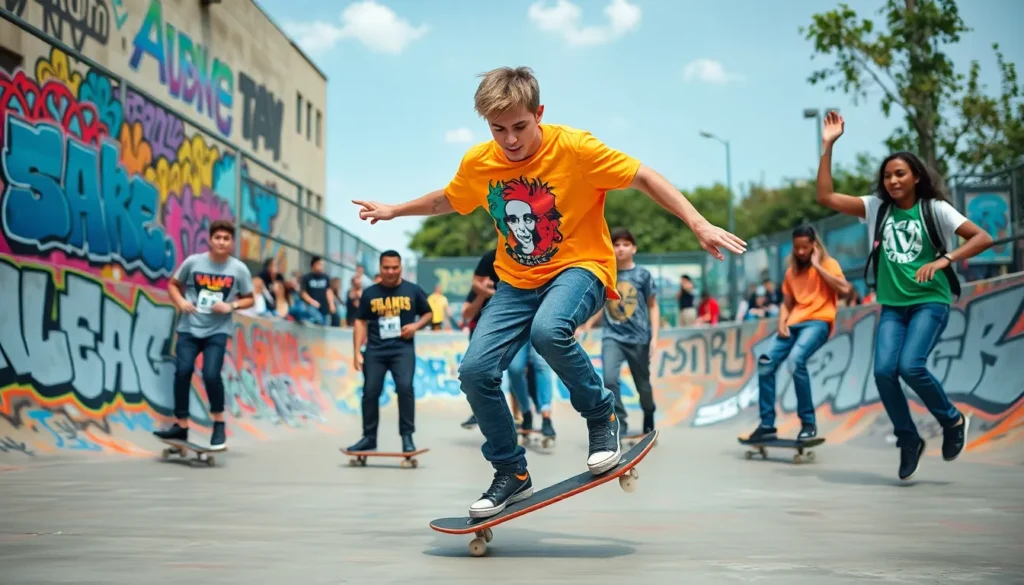

Skate culture isn’t just about ollies and kickflips; it’s a vibrant lifestyle that’s taken the world by storm. From the sun-soaked streets of California to urban parks in Tokyo, skateboarding has evolved into a powerful expression of freedom and creativity. It’s where fashion meets adrenaline, and every trick tells a story that’s as unique as the skater themselves.
Imagine cruising down the street, wind in your hair, and the sound of wheels gliding over pavement. Skate culture embraces individuality and community, creating a melting pot of styles, music, and art. Whether you’re a seasoned pro or just figuring out how to stay upright, there’s something about the skate scene that draws people in. So grab your board, and let’s dive into the exhilarating world of skate culture, where every ride is a chance to break the rules and redefine what’s possible.
Origins Of Skate Culture
Skate culture emerged from a blend of influences, resulting in a movement that encapsulates creativity and self-expression. It roots trace back to California in the late 1940s and early 1950s.
Early Beginnings
Skateboarding originated when surfers sought land-based alternatives to catch waves. Some individuals fashioned wooden planks with roller skate wheels, creating the first skateboards. Streets and empty lots became playgrounds, with skaters inventing tricks and developing a unique style. Early pioneers, like the Z-Boys, turned skateboarding into an art form, showcasing fluid movement and innovative techniques. Local skate shops began to emerge, fueling interest and creating a community around this exciting new activity.
Evolution Through The Decades
The 1960s and 1970s saw explosive growth in skateboard popularity, leading to competitions and mainstream exposure. By the 1980s, skateboarding transcended into a cultural phenomenon, influencing fashion, music, and youth identity. Skate parks sprang up, designed with ramps and obstacles to enhance the experience. The introduction of street skating in the 1990s shifted focus from parks to urban environments, emphasizing creativity in public spaces. Emerging brands and influential skaters shaped trends, solidifying skate culture’s presence in the global landscape.
Key Elements Of Skate Culture
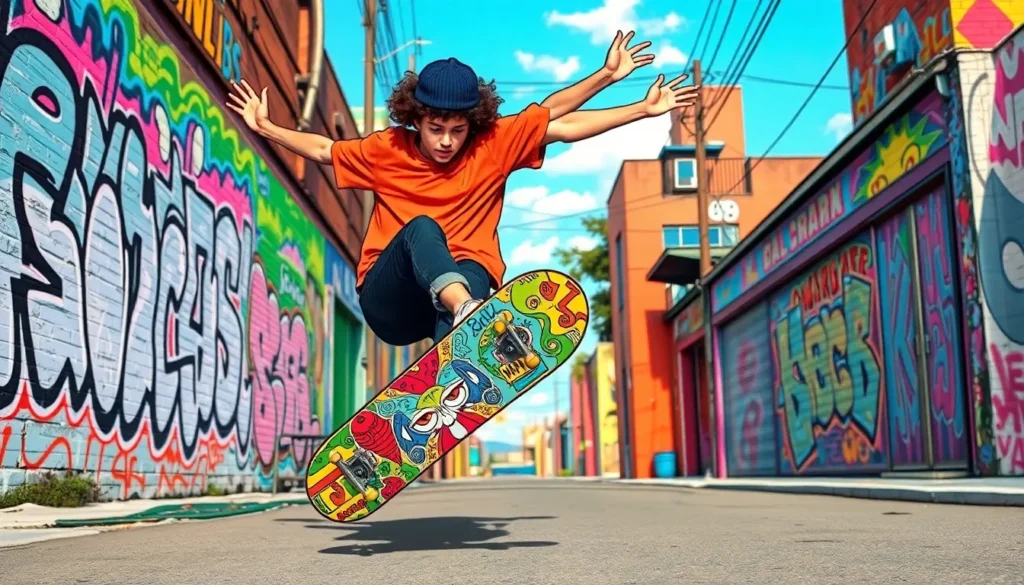
Skate culture thrives on several essential components, combining skills, styles, and equipment that define the experience for enthusiasts worldwide.
Skateboarding Techniques
Skaters utilize various techniques to showcase their skills. Tricks like ollies, kickflips, and grinds demonstrate creativity on the board. Some skaters excel in vert skateboarding, emphasizing high-flying maneuvers in bowls and ramps. Others prefer street skating, focusing on ledges, stairs, and urban landscapes. Different skating styles reflect personal expression, allowing skaters to craft their identities. Mastering these techniques often leads to a deeper connection with the culture.
Iconic Skateboards and Gear
Certain skateboards and gear have become synonymous with skate culture. Popular brands like Powell Peralta and Element produce boards that resonate with enthusiasts. Deck designs often feature bold artwork representing individuality. Wheels, made from durable urethane, contribute to performance on various surfaces. Protective gear, including helmets and pads, underscores safety while skating. The appearance of a skateboard not only showcases style but also signifies belonging to a global community of skaters.
Influential Figures In Skate Culture
Skate culture thrives on the contributions of influential individuals who shape its evolution. Pioneers, artists, and musicians have left lasting legacies that continue to inspire new generations.
Pioneering Skateboarders
Skateboarding’s evolution owes much to pioneering skateboarders who pushed the boundaries of the sport. Tony Hawk elevated vert skating with his aerial tricks and became a household name in the 1980s. Rodney Mullen invented many foundational tricks, including the ollie and the kickflip, laying the groundwork for street skating. Z-Boys, a group from Santa Monica, transformed skateboarding’s aesthetic while showcasing style and creativity. Their unique approach influenced future skaters and the broader culture. Each generation of skaters builds on the accomplishments of these legends, promoting a dynamic and ever-evolving sport.
Impact of Artists and Musicians
Artistic expression and music strongly impact skate culture. Musicians, such as The Beastie Boys and Sonic Youth, embraced skateboarding’s rebellious spirit, infusing their work with skateboarding themes. Album covers and music videos often feature skateboarders, bridging the gap between art forms. Artists like Ed Templeton and Shepard Fairey explore skateboarding in their visual arts, contributing to its cultural significance. They inspire collaboration among skaters and artists, which complements the vibrant skate scene. By fostering creativity, these figures help maintain skateboarding’s identity as a multifaceted cultural movement.
Skate Culture Today
Skate culture today thrives on creativity, individuality, and social connection. This dynamic community continuously evolves, reflecting the interests and values of skaters across the globe.
Current Trends and Events
Sustainable practices increasingly shape skateboarding, with brands focusing on eco-friendly materials. Events such as the X Games and street league competitions showcase top talent while celebrating inclusivity. Women’s skateboarding has gained more recognition, with high-profile competitions encouraging female participation. Local skate parks host community events, fostering camaraderie among skaters. Collaborative projects between skate brands and artists create unique merchandise, blending art and skate culture. Trends in skate fashion, including oversized apparel and vintage styles, reveal individualistic expressions and nostalgia.
The Role of Social Media
Social media platforms serve as vital hubs for skate culture. Skateboarders leverage channels like Instagram and TikTok to share tricks, promote brands, and connect with fellow enthusiasts. Viral challenges often arise, pushing the limits of creativity within the community. Influencers in skate culture inspire new skaters and promote events, extending the reach of local scenes. Brands utilize social media to engage directly with fans, creating interactive campaigns that resonate. User-generated content fosters community building, enhancing the sense of belonging among skaters globally.
Skate culture thrives on creativity and community, making it a unique and influential movement. Its evolution from humble beginnings to a global phenomenon showcases the passion and dedication of skaters everywhere. As new trends emerge and the culture continues to adapt, the spirit of skateboarding remains rooted in self-expression and connection.
The vibrant world of skateboarding invites everyone to join in, whether through participation or appreciation. By embracing the values of freedom and individuality, skate culture will undoubtedly inspire future generations to push boundaries and redefine what it means to be a skater.