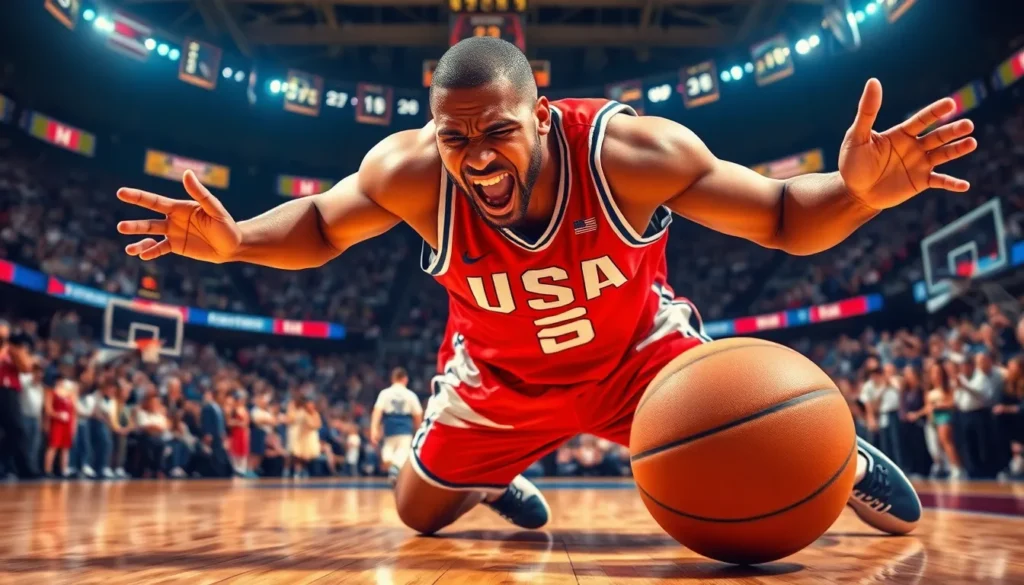

Basketball is a game of skill, speed, and strategy, but it’s also a stage for some dramatic performances. Enter the world of flopping—a theatrical maneuver that’s become the talk of the court. Flopping isn’t just about falling down; it’s a calculated act designed to deceive referees and gain an advantage. Think of it as basketball’s version of an Oscar-worthy performance, minus the red carpet.
In a sport where every point counts, some players have turned flopping into an art form, leaving fans and opponents alike scratching their heads. Is it clever strategy or just plain theatrics? As the debate rages on, one thing’s for sure: flopping adds a twist to the game that keeps everyone on their toes. Buckle up as we dive into the slippery world of flopping in basketball and uncover what makes this controversial tactic so captivating.
What Is Flopping in Basketball
Flopping in basketball refers to the act of exaggerating or fabricating contact during a play. Players often fall or stagger in an attempt to convince referees that a foul occurred. This tactic aims to draw a foul and gain advantageous free throws or shift momentum in a game.
Often, players employ flopping as a strategic maneuver. He or she may study an opponent’s tendencies to predict when and how to act. The approach combines deception with a deep understanding of the sport’s rules. Coaches sometimes encourage flopping as a tactical option to protect key players from foul trouble.
Critics argue that flopping detracts from the game’s integrity. Many fans view it as an unwarranted display that undermines genuine athletic competition. Not every player successfully executes a flop; timing and execution play crucial roles.
Recent NBA seasons have seen the implementation of fines for excessive flopping. Such measures aim to discourage this behavior and preserve the sport’s authenticity. Players face potential penalties, which may include monetary fines or warnings, depending on the severity of the incident.
Examples of notorious floppers include players such as Reggie Miller and Chris Paul. These athletes gained reputations for their notable performances, which often relied on theatricality. The ongoing debate surrounding flopping continues to evoke strong opinions among players, coaches, and fans alike.
The History of Flopping
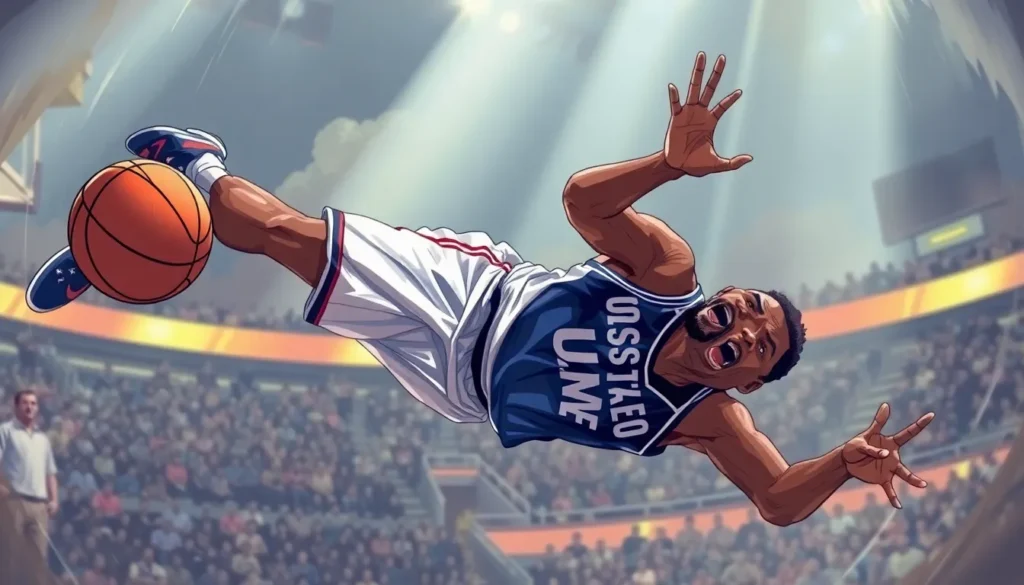
Flopping has a rich history in basketball, dating back several decades.
Origins of Flopping
The origins of flopping trace back to the late 1980s and early 1990s. Players began to adopt more theatrical styles to convince referees of foul calls. Early adopters, such as Reggie Miller, set a precedent with their exaggerated reactions. During this time, the technique was less scrutinized, allowing it to flourish. By the mid-1990s, flopping became recognized and discussed, as fans and analysts alike noted its impact on games. The rise of televised games amplified the visibility of this tactic, prompting debates about integrity and strategy in basketball.
Notable Instances in NBA History
Notable instances of flopping include several key moments in NBA playoff history. A famous example occurred during the 2003 NBA Finals involving Derek Fisher. His dramatic fall after minimal contact led to a pivotal foul call, influencing the game’s outcome. Another memorable instance saw Chris Paul masterfully sell contact to draw crucial fouls. Players like these not only showcased exceptional skills but also raised questions around sportsmanship. The league responded with proposed regulations to address flopping, aiming to maintain fair play while still accommodating competitive strategies.
Reasons Players Flop
Flopping serves multiple strategic purposes in basketball. Players engage in this behavior to gain a competitive edge during games.
Gain Competitive Advantage
Players often flop to sway referees’ decisions. Influencing the call allows a team to gain momentum and shift the game’s dynamics. By convincing officials of foul play, players create opportunities that would not exist otherwise. Some athletes may study their opponents’ movements and tendencies, enabling them to effectively capitalize on situations that warrant flopping. Coaches sometimes endorse this strategy as a means to protect valuable team members from foul trouble. Each successful flop may shift the momentum in favor of the offending player’s team, showcasing a strategic layer to this behavior that goes beyond mere theatrics.
Draw Fouls and Free Throws
Flopping directly contributes to drawing fouls and free throws. When players exaggerate contact, they prompt referees to make calls that might benefit their team. Foul shots provide valuable scoring opportunities, especially during close games. Athletes like Chris Paul exemplify this tactic by skillfully manipulating defenders into making illegal contact, resulting in free throws. The importance of free throws cannot be understated, as they often determine the outcomes of games. When players prioritize this strategic maneuver, they enhance their team’s chances of victory through carefully executed performances on the court.
The Impact of Flopping
Flopping significantly influences the landscape of basketball. Players’ actions can manipulate the dynamics of the game, prompting discussions about integrity and fairness.
Effects on Game Integrity
Flopping raises questions about the authenticity of competition. Critics argue that exaggerated reactions distract from fundamental skills, undermining the sport’s integrity. Authentic athleticism becomes overshadowed by theatrics when players exaggerate foul contact. Such behavior can frustrate referees, making their job more challenging and potentially affecting their decision-making. The league’s measures to counter flopping, including fines, seek to restore fairness and emphasize genuine play. While some players view flopping as a strategic maneuver, its prevalence risks dimming the overall spirit of competition.
Fan Reactions and Perception
Fans often express mixed feelings about flopping. Some enjoy the drama it brings to games, appreciating the strategic element involved. Others voice their frustration, feeling that flopping detracts from real competition. Enthusiasts may even lose respect for players who rely on these tactics, questioning their sportsmanship. Social media plays a significant role in shaping perceptions, amplifying discussions surrounding instances of flopping. Ultimately, fans’ responses reflect broader concerns about the sport’s direction and the commitment to fair play.
Rules and Regulations Around Flopping
Flopping in basketball attracts considerable scrutiny, leading to formal measures aimed at controlling the behavior. The NBA has taken decisive action to address excessive flopping through specific regulations.
NBA’s Approach to Flopping
The NBA has implemented a fine system for players who flop excessively during games. Initial infractions result in a warning, while subsequent offenses incur fines starting at $5,000. Continued flopping can lead to increased penalties reaching up to $30,000 for repeat offenders. By introducing this framework, the league aims to discourage deceptive plays and promote fair competition. Additionally, the NBA reviews flopping incidents after games, ensuring transparency and accountability for players.
Comparisons to Other Leagues
Other professional basketball leagues have adopted similar measures against flopping. In Europe, leagues like EuroLeague emphasize stricter officiating and player education to deter flopping. The NBA’s approach mirrors these initiatives as teams globally recognize flopping’s negative impact on the sport’s integrity. Player fines also exist in the NCAA, where college basketball officials enforce rules against exaggerated acts, encouraging authentic gameplay and prioritizing sportsmanship. Each league strives to maintain competitive integrity while balancing the game’s entertainment factor, highlighting the universal challenge of addressing flopping in basketball.
Flopping remains a contentious issue in basketball that evokes passionate opinions from players and fans alike. While some view it as a clever strategy to manipulate game dynamics others see it as a threat to the sport’s integrity. The NBA’s efforts to curb excessive flopping through fines and regulations reflect a commitment to preserving fair play and authentic competition.
As the league continues to grapple with this phenomenon it’s clear that flopping will remain part of the conversation surrounding basketball. The balance between strategy and sportsmanship will undoubtedly shape the future of the game. Ultimately the ongoing debate serves as a reminder of the complexities inherent in competitive sports.