
Caring for someone with dementia can feel like navigating a maze blindfolded. You want to connect and engage but sometimes it’s tough to find the right activities that spark joy and stimulate the mind. Luckily, there’s a treasure trove of fun and meaningful things to do that can brighten their day and yours.
Imagine transforming an ordinary afternoon into a mini-adventure. From arts and crafts to music therapy, the possibilities are endless. You’ll discover that laughter truly is the best medicine, and with the right activities, you can create moments that both of you will cherish. So buckle up and get ready to explore 101 delightful ways to engage with dementia patients, turning challenges into opportunities for connection and joy.
Overview of Dementia Care
Dementia care involves understanding the unique needs of individuals experiencing cognitive decline. Caregivers encounter challenges including communication difficulties and changes in behavior. Activities centered on engagement help improve emotional well-being and mental stimulation.
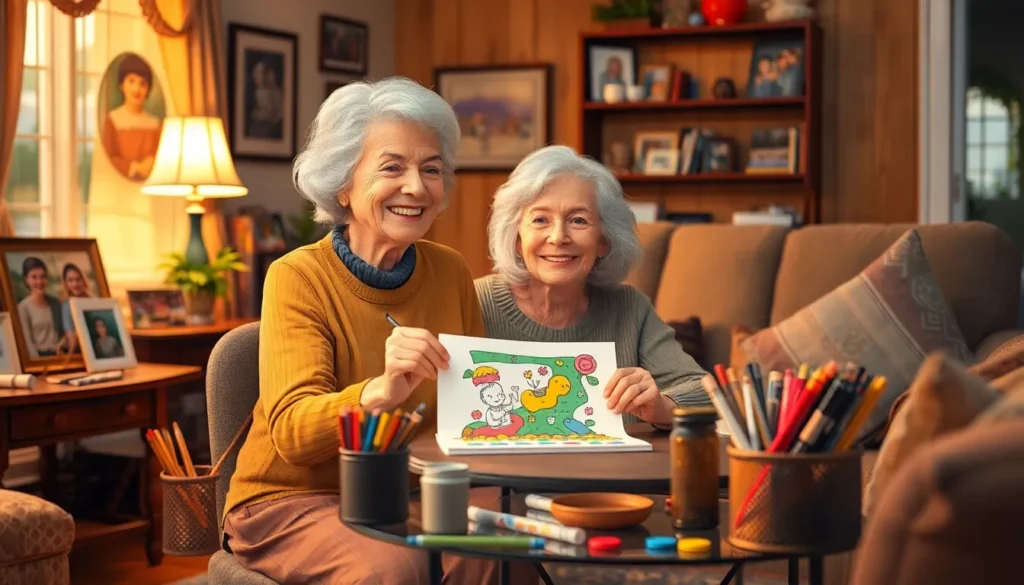
Music therapy serves as a powerful tool, evoking memories and emotions. Engaging in simple pleasantries can spark joy and connection. Arts and crafts enable creative expression, promoting relaxation and fine motor skills.
Physical activities like walking or light exercise support overall health. Providing a structured routine benefits both patients and caregivers by reducing confusion. Offering choices allows individuals to maintain a sense of autonomy.
Social interactions play a key role in fostering relationships. Group activities can enhance social skills while decreasing feelings of isolation. Technology, such as video calls, expands communication with family and friends.
Personalized care plans ensure that each individual’s interests and abilities are acknowledged. Regular evaluations enable adjustments to activities and routines based on changing needs. Patience remains crucial as caregivers navigate the complexities of dementia care.
Support groups provide respite and guidance for caregivers, promoting shared experiences. Resources from local organizations often offer valuable information and community connections. With thoughtful planning and dedication, caregivers can create enriching experiences for dementia patients, enhancing their quality of life.
Importance of Engaging Activities

Engaging activities play a crucial role in the care of individuals with dementia. These activities promote mental stimulation and emotional well-being.
Cognitive Stimulation
Cognitive stimulation keeps the brain active and promotes neural connections. Activities such as puzzles and memory games can enhance problem-solving skills. Exploring new topics through reading or storytelling encourages curiosity and sparks discussions. Crafting projects or drawing stimulates creativity while improving fine motor skills. Daily interaction through simple tasks, like sorting objects, helps maintain focus and mental agility. The benefits include potential delays in cognitive decline and enhanced cognitive performance.
Emotional Connection
Emotional connection strengthens bonds between caregivers and dementia patients. Shared experiences, such as reminiscing about past events, evoke positive emotions. Engaging in music or dance often triggers joyful memories and feelings of happiness. Regularly participating in familiar routines brings comfort and stability. Laughter during group activities fosters a sense of belonging and reduces isolation. Establishing trust and comfort through these interactions supports overall emotional health. Eventually, these connections enhance the quality of life for everyone involved.
101 Things to Do with Dementia Patients
Engaging activities can enhance the quality of life for individuals living with dementia. Here’s a detailed list of creative and meaningful options.
Activities for Interaction
Encouraging socialization fosters emotional connections. Participating in group games, like bingo, stimulates interaction. Playing card games also promotes laughter and conversation. Engaging in one-on-one conversations helps maintain cognitive skills. Sharing simple stories often sparks joy and reminiscence.
Activities for Physical Engagement
Incorporating movement benefits both physical and mental health. Taking walks outside supports physical fitness and offers fresh air. Dancing to favorite tunes encourages mobility and expression. Gardening together introduces gentle exercise while connecting with nature. Participating in chair exercises improves flexibility and strength.
Creative Activities
Art projects promote relaxation and self-expression. Painting with watercolors opens avenues for creativity. Crafting with beads can enhance fine motor skills and focus. Creating collages from magazines stimulates memory and storytelling. Playing with clay engages the senses and fosters creativity.
Reminiscence and Memory Activities
Sharing photo albums stimulates memories and conversations. Engaging in familiar songs often evokes positive emotions. Storytelling sessions encourage connection and discussion about the past. Exploring memory boxes filled with significant items can ignite joyful memories. Watching classic movies often brings back fond recollections.
Nature and Outdoors Activities
Nature walks enrich the senses and promote calmness. Spending time in community gardens provides companionship and creativity. Birdwatching teaches patience as well as observation skills. Conducting simple nature scavenger hunts is engaging and fun. Picnics in the park create lasting memories while enjoying the outdoors.
Tips for Successful Engagement
Establishing a connection with dementia patients often requires patience and creativity. Caregivers should emphasize consistency and familiarity in activities. Use simple language and short sentences during interactions to ensure understanding. Explore various sensory experiences, such as music, textures, and scents, to stimulate engagement and evoke memories.
Involve the patient in choosing activities to foster a sense of autonomy. Offering choices, like selecting a game or deciding between two songs, enhances their emotional well-being. Incorporate physical movement, which not only promotes health but also encourages social interaction and bonding.
Utilize reminiscence as a tool for connection. Sharing personal stories, reminiscing over photos, or playing familiar songs often ignites positive emotions and stimulates conversations. Consider creating a structured routine that incorporates different types of activities, allowing for predictability and comfort in daily life.
Be mindful of the patient’s mood and energy levels during activities. Adapting the pace can optimize engagement and enjoyment. Engage in cooperative tasks, like gardening or cooking, to strengthen relationships and promote teamwork.
Focus on non-verbal cues as well. Body language and facial expressions can convey warmth and support. Creating a calm environment also enhances focus and reduces anxiety.
Finally, encourage laughter and joy throughout the day. Fun activities or humorous moments contribute substantially to emotional connections. By prioritizing these tips, caregivers can successfully engage with dementia patients, fostering an enriched experience for both parties.
Engaging with dementia patients through a variety of activities can significantly enhance their quality of life. By fostering connections and creating joyful experiences, caregivers can make a meaningful impact. The diverse options presented offer something for everyone, ensuring that each individual’s unique preferences and needs are met.
As caregivers embrace creativity and patience, they’ll discover the profound rewards of shared moments. These interactions not only enrich the lives of dementia patients but also provide caregivers with a sense of fulfillment and purpose. The journey may be challenging, but with the right activities and support, it can also be filled with laughter and love.